The Ultimate Guide to Kid-Friendly Meal Prep Containers: Durable, Leak-Proof, and Lunchbox-Ready
The Ultimate Guide to Kid-Friendly Meal Prep Containers: Durable, Leak-Proof, and Lunchbox-Ready
Hey there, meal-prep parent! If you're like me, packing school lunches feels like a daily puzzle—especially when it comes to containers. You want something that survives the chaos of a backpack, doesn't leak salsa all over the math homework, and actually fits the portions your kids need. As a meal prep enthusiast who's packed thousands of lunches over the years, I'm here to break it all down. We'll cover the key factors, top recommendations, and pro tips to make your mornings smoother. Let's dive in and turn lunch-packing into a stress-free routine.
Why Container Choice Matters for Kids' Lunches
Choosing the right container isn't just about holding food—it's about making lunch fun, safe, and easy. Kids are rough on their gear (hello, tumbling lockers!), and a flimsy box can lead to soggy sandwiches or spills. The best options balance durability, portion control, and leak-proofing to keep food fresh and appetizing. From my experience prepping for elementary through middle schoolers, investing in quality containers saves time and money in the long run. Plus, it encourages kids to eat healthier when their lunch looks appealing.
Think about it: A well-chosen container can help with portion sizing (no more half-eaten apples), reduce waste (reusable over disposable), and even make clean-up a breeze for you. According to trends on parenting forums like Reddit, parents are prioritizing eco-friendly, kid-safe materials that withstand daily use. We'll focus on those aspects to match the practical needs of busy families.
Key Features to Look For in Kid-Friendly Meal Prep Containers
Before we get to specific picks, let's outline what makes a container truly lunchbox-worthy. These features are non-negotiable for school days:
Durability: Kids drop things— a lot. Opt for BPA-free, shatter-resistant materials like Tritan or silicone that can handle falls without cracking. Avoid cheap plastics that warp in the dishwasher.
Portion Sizing: Look for compartmentalized designs (bento-style) to keep foods separate and portioned. This helps with picky eaters and ensures balanced meals—think protein in one slot, veggies in another. Sizes typically range from 2-4 cups total, perfect for ages 5-12.
Leak-Proof Design: A tight seal is crucial for yogurt, dips, or soups. Features like silicone gaskets, locking lids, or snap-tight closures prevent messes. Test by shaking upside down (with water first!)
Kid-Friendly Ease: Easy-open lids for little hands, microwave-safe for reheating (if allowed at school), and dishwasher-safe for quick clean-up. Bonus: Fun colors or character designs to excite your child.
Safety and Hygiene: Non-toxic materials, no sharp edges, and airtight to lock in freshness. Stackable for storage is a huge plus in crowded pantries.
These criteria align with what's trending on Reddit's r/MealPrep and parenting subs—parents rave about containers that last through multiple school years while keeping food safe and appealing.
Top Recommendations: Best Containers for Every Need
Based on durability tests, user reviews, and my own prep experiments, here are my go-to picks. I've categorized them by style to fit different family needs. All are widely available on Amazon or stores like Target, with prices from $10-$30 per set.
These are my top pick for portion control and fun factor. Made from durable, food-grade plastic with five compartments (about 2 cups total), they're perfect for a main, sides, and fruit. The leak-proof lid has a silicone seal that's survived my kids' rough handling—no leaks even with applesauce.
Pros: Dishwasher-safe, stackable, and comes in vibrant colors. Great for ages 3-8.
Cons: Not microwave-safe (transfer to a bowl if needed).
Why It Stands Out: Parents on Reddit love how it encourages variety without overwhelming portions. Pair with their insulated lunch bag for the full setup.
For hot or cold foods like soup, pasta, or yogurt parfaits, these stainless steel jars are unbeatable. They hold 10-16 oz and keep contents hot/cold for hours, with a secure screw-top lid that's truly leak-proof.
Pros: Durable stainless steel (virtually unbreakable), wide mouth for easy filling, and fun animal designs kids adore. Dishwasher-safe top rack.
Cons: Single compartment—best paired with separate containers for sides.
Why It Stands Out: Ideal for thermo-friendly lunches. I've used these for years; they've outlasted backpacks and bikes. Reddit threads highlight them as a game-changer for picky eaters who love warm meals.
3. Silicone Flexibility: Stasher Silicone Bags or Containers
If you prefer eco-friendly and versatile, silicone bags (like Stasher's 4-cup size) are fantastic for kids. They're flexible, leak-proof, and go from freezer to microwave to lunchbox. Use them for sandwiches, snacks, or even smoothie bowls.
Pros: Dishwasher, microwave, and freezer-safe; non-toxic and easy to clean. Pinch-lock seal prevents leaks.
Cons: Less structured—might squish in a crowded bag.
Why It Stands Out: Sustainable choice for older kids (ages 6+). Parents love them on eco-focused forums for reducing single-use plastics while handling messy foods like hummus.
For straightforward, no-fuss packing, these clear plastic containers with snap lids are reliable and affordable. Choose 2-3 cup sizes with optional dividers for portions.
Pros: Crystal-clear for easy visibility, airtight lids with clips, and stackable for storage. Microwave and dishwasher-safe.
Cons: Not as fun for kids visually; invest in colorful lids.
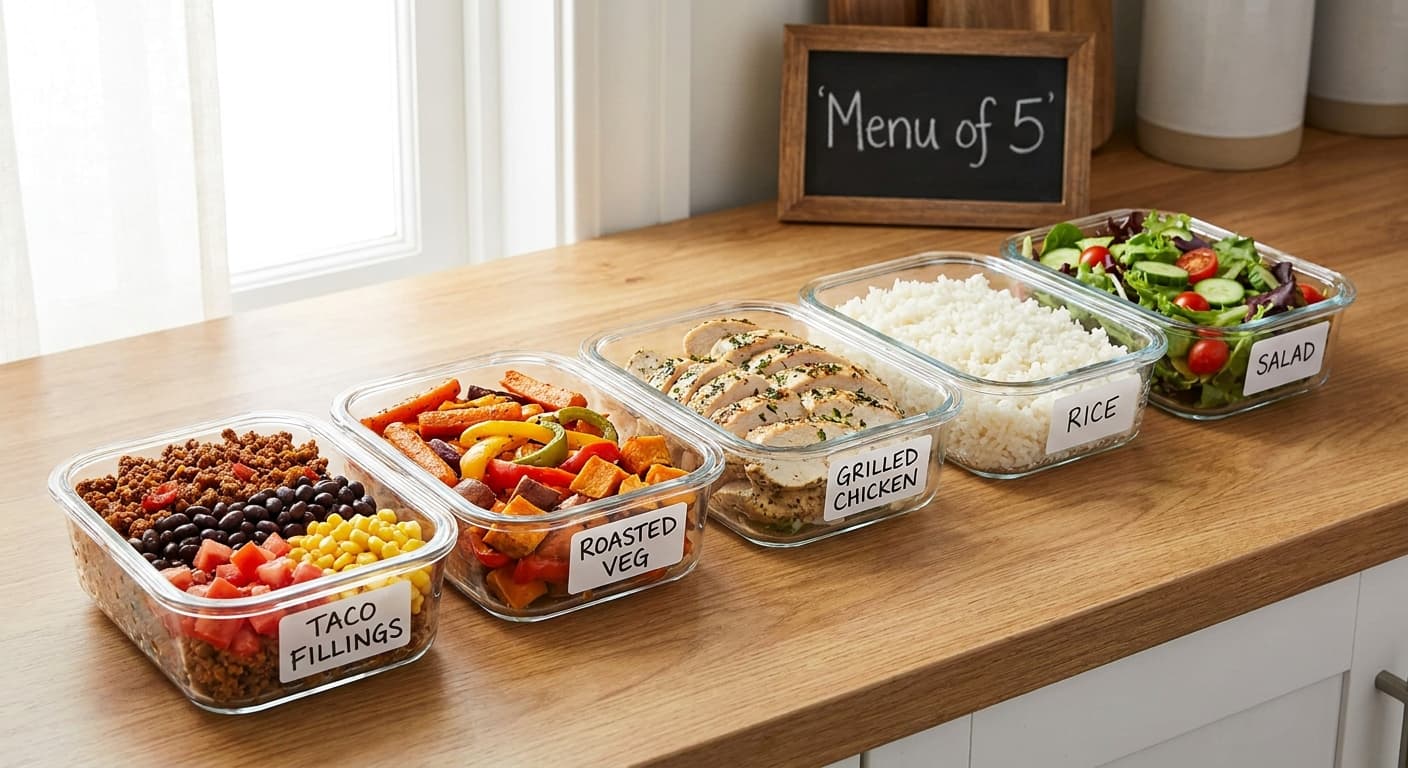
Why It Stands Out: A versatile base for any lunch. Great for families prepping in bulk—line them up on your counter for efficient packing sessions.
Tips for Organizing and Packing with These Containers
Now that you've got the right containers, let's make packing efficient. Organization is key to avoiding morning chaos:
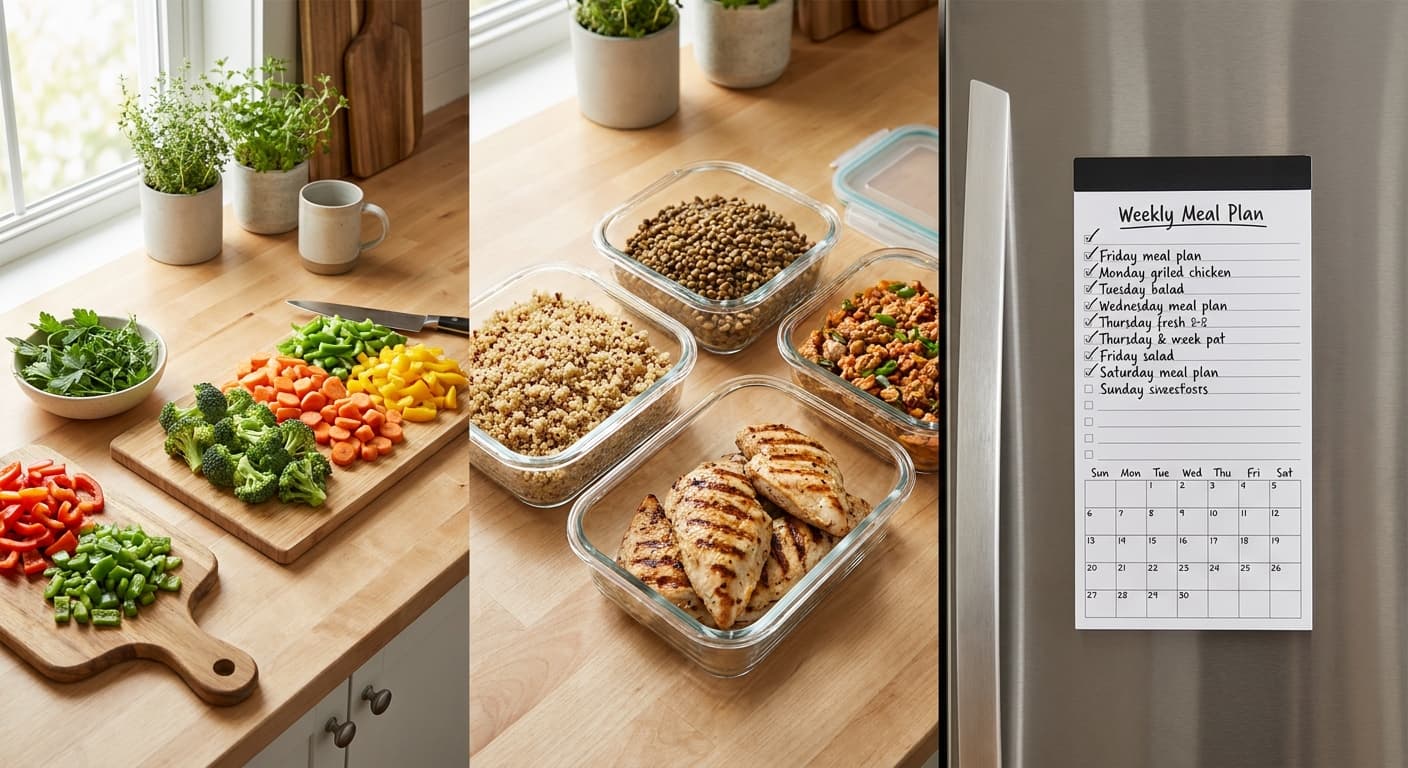
Prep in Advance: Dedicate Sunday afternoons to batch-prep. Portion fruits, veggies, and proteins into containers, then store in the fridge. Label with washable tape (e.g., "Monday: Turkey Wrap")—kids love the personal touch.
Choose Compartments Wisely: For bento-style, fill the largest section with the main (like a sandwich), sides in smaller ones (cheese cubes, carrot sticks), and sweets in the smallest to control treats.
Leak-Proof Hacks: Always test seals. For extra security, add a paper towel under the lid for condensation. Pair containers with ice packs for cold items.
Portion Sizes by Age: Preschoolers (2-3 cups total) need smaller bites; tweens (4 cups) can handle heartier meals. Use dividers to visually guide portions—no one wants a lunch that's mostly crackers!
Storage and Cleaning: Stack containers in a dedicated drawer. Hand-wash lids with warm soapy water to preserve seals, but most are dishwasher-safe (top rack). Rotate sets to keep things fresh.
Pro Tip: Involve your kids in packing! Let them pick colors or arrange a few items. It builds excitement and teaches them about balanced meals.
Common Pitfalls and How to Avoid Them
Even the best containers can fail if not chosen thoughtfully. Here's what to watch for:
Ignoring Size: Too big, and food gets jostled; too small, and you overpack. Measure your lunch bag first.
Material Matters: Steer clear of glass for young kids—too fragile. Stick to plastics rated for food safety.
Overlooking Cleanliness: Build-up in seals causes odors. Soak weekly in vinegar water.
If allergies are a concern (e.g., nuts), choose clear containers to avoid cross-contamination and communicate with school policies.
Final Thoughts: Lunch Wins Await
Switching to the right meal prep containers can transform your school routine from frantic to fantastic. Start with one style that fits your family—like Bentgo for little ones or Thermos for warm meals—and build from there. You're not just packing lunch; you're fueling their day with love and good nutrition. I've seen these containers turn reluctant eaters into lunch enthusiasts. Share your favorites in the comments or on social—what's your go-to hack?
For more meal prep ideas, check out MealPlanVault's other guides. Happy prepping!